
Aftercare Guide for your Premium ShedUpdated 4 months ago
This guide explains how to maintain your shed, protect it from the elements, and identify and resolve common issues. Following these instructions is essential to keeping your shed in good condition and ensuring it performs as intended.
1. Understanding Your Shed
Timber Is a Natural, Porous Material
Timber is an organic material that naturally absorbs and releases moisture. This is normal and expected, but it also means that:
- Timber can take in rainwater if not waterproofed.
- When timber is wet, its fibres expand, making it more susceptible to further moisture.
- Timber will shrink and expand throughout the seasons.
This is true of all timber products from any supplier. Your shed is no different - it simply needs correct aftercare to perform at its best.
Benefits of Pressure Treatment
Your shed is made from high-quality, pressure-treated timber. Pressure treatment protects the wood from the inside out, offering:
- Deep penetration of preservative.
- Long-term protection against rot, fungal decay, and insect infestation.
- Greater longevity compared to dip-treated panels.
However - pressure treatment does NOT waterproof the timber. This is a common misunderstanding. A waterproofing product must still be applied internally and externally, once the timber is fully dry and as soon as possible after installation.
Why Waterproofing Is Essential
Freshly pressure-treated timber often contains moisture from the treatment process. Even if it feels dry on the surface, the internal fibres can take weeks (sometimes months) to dry fully - especially during colder or wetter months.
Applying waterproofing too early can:
- Trap moisture inside the wood.
- Lead to mould, swelling, and internal damp patches.
- Reduce the effectiveness of the treatment.
When waterproofing is applied correctly, it:
- Forms a barrier that repels rainwater.
- Reduces natural shrinkage as boards dry.
- Protects the shed from water ingress and weathering.
- Greatly improves longevity and appearance.
2. Waterproofing Your Premium Shed
When to Waterproof
Waterproof your shed only once the timber is fully dry. You can help speed this along this by:
- Leaving the shed ventilated (door open for at least 24 hours in warm/dry weather).
- Using a dehumidifier/heater inside during winter.
- Ensuring the boards feel uniformly dry and warm to the touch.
Important: If you paint or treat damp timber, moisture can become trapped and cause long-term issues.
Note: Ventilating the shed for 24 hours helps dry the surface, but pressure-treated timber needs more time for the internal fibres to dry. Look for consistent dryness, no dark patches, stable board gaps, no condensation, and timber that feels warm rather than cold. In winter we strongly recommend using a dehumidifier or gentle heater to speed up drying before applying waterproofing.
Why this matters: Waterproofing timber that is still wet inside can trap moisture beneath the surface.This can lead to mould growth, prolonged dampness, blistering or peeling of the treatment, and swelling or movement of the timber as the trapped moisture tries to escape.
What to Use
We recommend a high-quality waterproofing product designed for both interior and exterior timber. A clear waterproof wood stain is available on our website, or your local treatment supplier can advise on other suitable options.
What to consider when choosing a treatment:
- Check with application guidelines of the product you’re using as it may have specific application requirements such as “2 generous waterproofing coats to the exterior (note – the second coat needs to be applied within two hours of the first coat)”.
- Clear or coloured finish (your choice, just check the finish is compatible with your waterproofing treatment).
Areas That Need Special Attention
- Ends of the panels or framing.
- Tops of boards (the thinnest, most vulnerable part).
- The bottom of each cladding board.
- Corners and framework joints.
3. Other Essential Aftercare
Sealing the Windows – CRITICAL
Water ingress through windows is the number one cause of internal moisture problems.
Why sealing matters
Windows are installed dry at the factory to allow movement in transit, which prevents breakages - but sealing must be done onsite when the timber is dry. If water enters around the glazing, it can run inside the shed, be absorbed by boards, and cause:
- Swelling and staining.
- Mould around board joints .
- Condensation build-up.
We strongly recommend:
1. Clean and dry the window frame, or door frame for a summerhouse.
2. Apply a continuous, unbroken bead of quality exterior silicone around the perimeter and between the frame and cladding. Pay particular attention to the corners.
3. Smooth the bead for full adhesion.
This step alone prevents the vast majority of water-related issues.
Check the Base Annually
Your shed must sit on a solid, level, raised base. Each year check for:
- Subsidence.
- Gaps under bearers.
- Areas where rainwater pools around the shed.
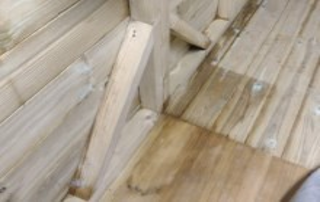
A poor base can cause twisting, gaps between boards, or water pooling. It can also cause the doors or windows to come out of square which can create points of potential water ingress, and potentially impact the functionality of the unit itself.
Ventilation
- Healthy airflow prevents condensation. We recommend:
- Leaving the door open occasionally.
- Adding vents if storing damp items.
- Avoiding blocking airflow around the shed exterior – we recommend leaving 1-2ft around the shed on each side. If you want extra ventilation, consider adding an opening window kit, available on our website.
4. Troubleshooting Guide
Issue | Likely Cause | Solution |
Water on the inside of the roof or from the floor
| Condensation caused by cold temperatures; moisture freezing and thawing. Ingress can also be caused through windows and knot holes, as well as any gaps in the boards. | Ventilate shed; use heater/ dehumidifier; ensure waterproofing is complete (internally and externally). |
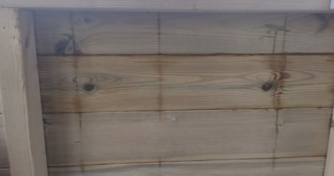
Water on internal walls / staining | Windows not sealed; timber still wet when waterproofing applied; shed not water-proofed; condensation. Knot holes as well as windows, are common causes of water on internal walls. | Fully dry shed; reseal all win-dows with exterior silicone; apply waterproofing once dry. Check for knot holes and fill with wood filler if required. |
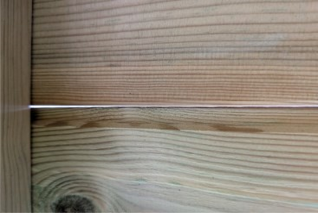
Boards swelling or shrinking | Natural timber movement due to seasonal changes, shrinkage and expansion. Whilst our sheds have extra long tongue and groove boards, in rare instances the boards can shrink and expand beyond where the tongue fits into the groove. | Ensure shed is fully water-proofed; allow natural seasonal adjustment. Our friendly customer service team are always on hand for any advice on the best way to reposition boards. |
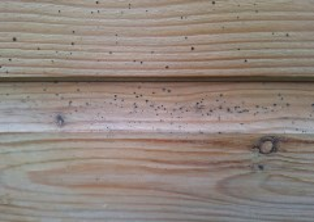
Damp smell or mould | Trapped moisture; poor ventilation; untreated interior/exterior. | Increase ventilation; dry shed with dehumidifier; apply internal timber preserver once fully dry. You can use a stiff broom to brush away the surface mould, and may need to then apply a fungicide and re-treat the area to prevent recurrence. |
Moisture at board joints / top edges 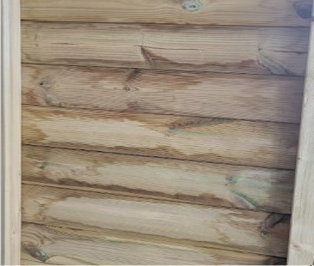 | Thin top edges acting as moisture wicks when exposed to internal damp; water ingress coming from windows. | Dry shed fully; reseal windows; apply waterproofing with focus on board joints and edges. |
| Persistent internal damp despite waterproofing | Waterproofing applied too early or too late; moisture trapped inside timber; lack of ventilation. | Dry shed thoroughly using heat or dehumidifier; reapply treatment once fully dry. |
5. Your Guarantee
Your shed is backed by the Powersheds 20-Year Timber Guarantee. This protects your shed against rot and decay when maintained correctly.
Please ensure your aftercare aligns with the conditions outlined in the guarantee, which can be found here: Powersheds Timber Guarantee
6. Final Tips & Best Practice
- Always treat (waterproof) the shed when completely dry (internally and externally) and again annually.
- Reseal windows annually if needed.
- Keep the shed clear of overhanging trees or foliage.
- Ensure guttering or nearby structures do not channel water toward the shed.
- Inspect the shed each spring/autumn for wear and address issues early.
- Check the base and structure are level (annually).